
Last updated August 25, 2026
Free on-site gate assessment - hinges, posts, and your LiftMaster or Nice gate operator checked before anything is quoted
The assessment is free and the quote is the invoice.

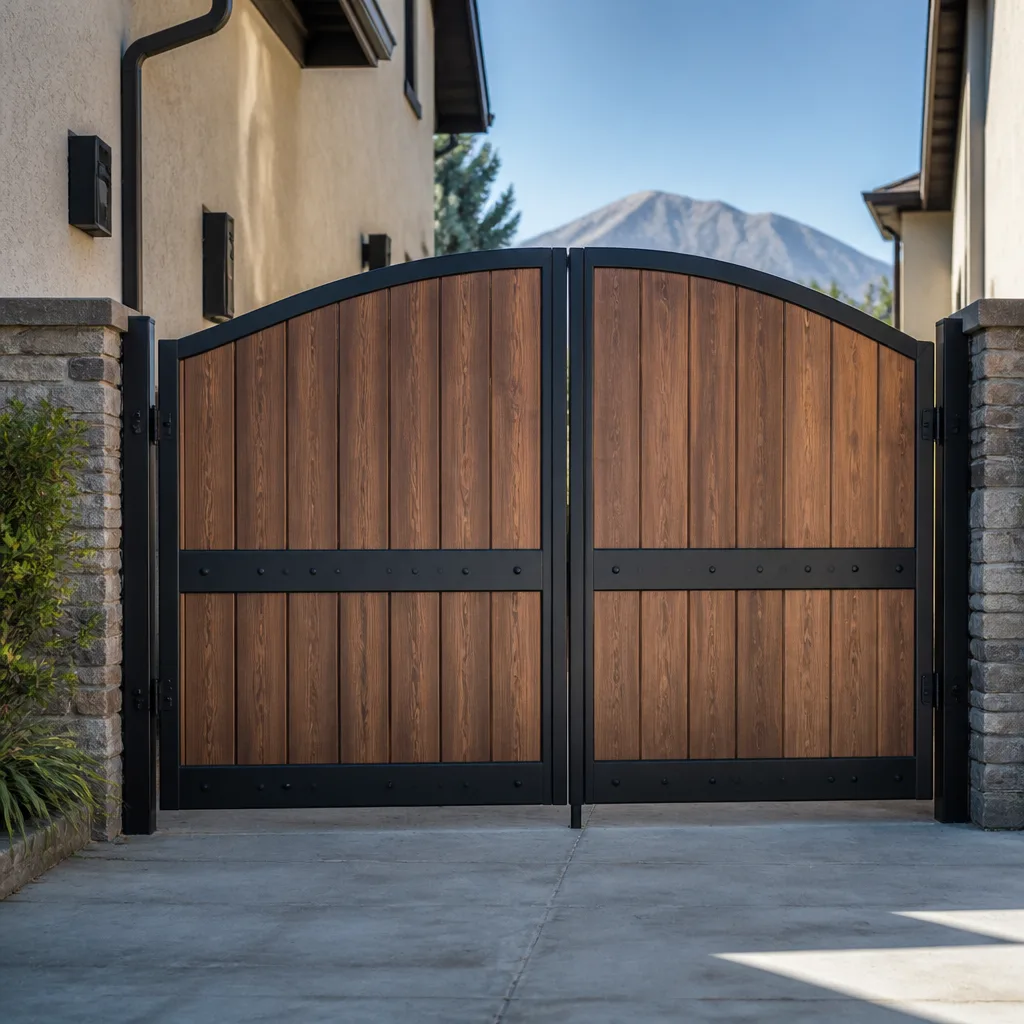
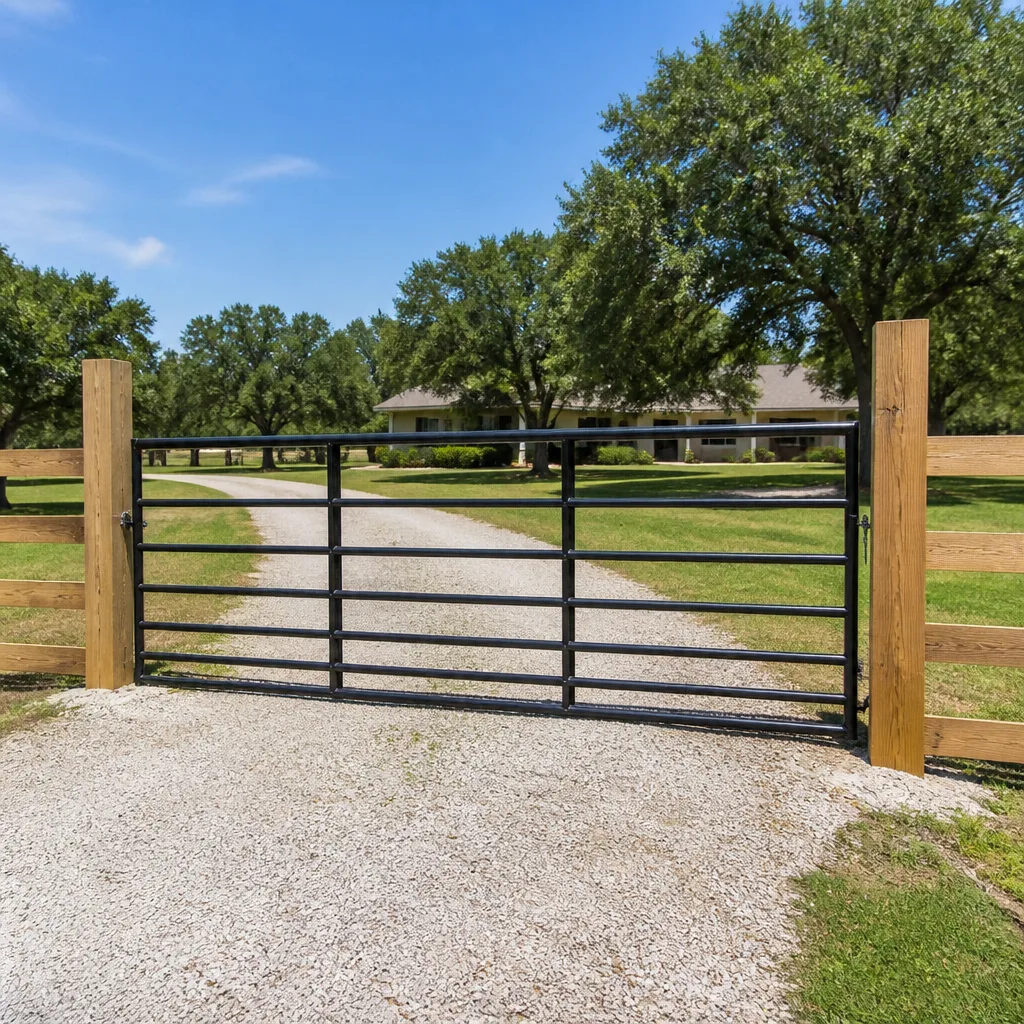
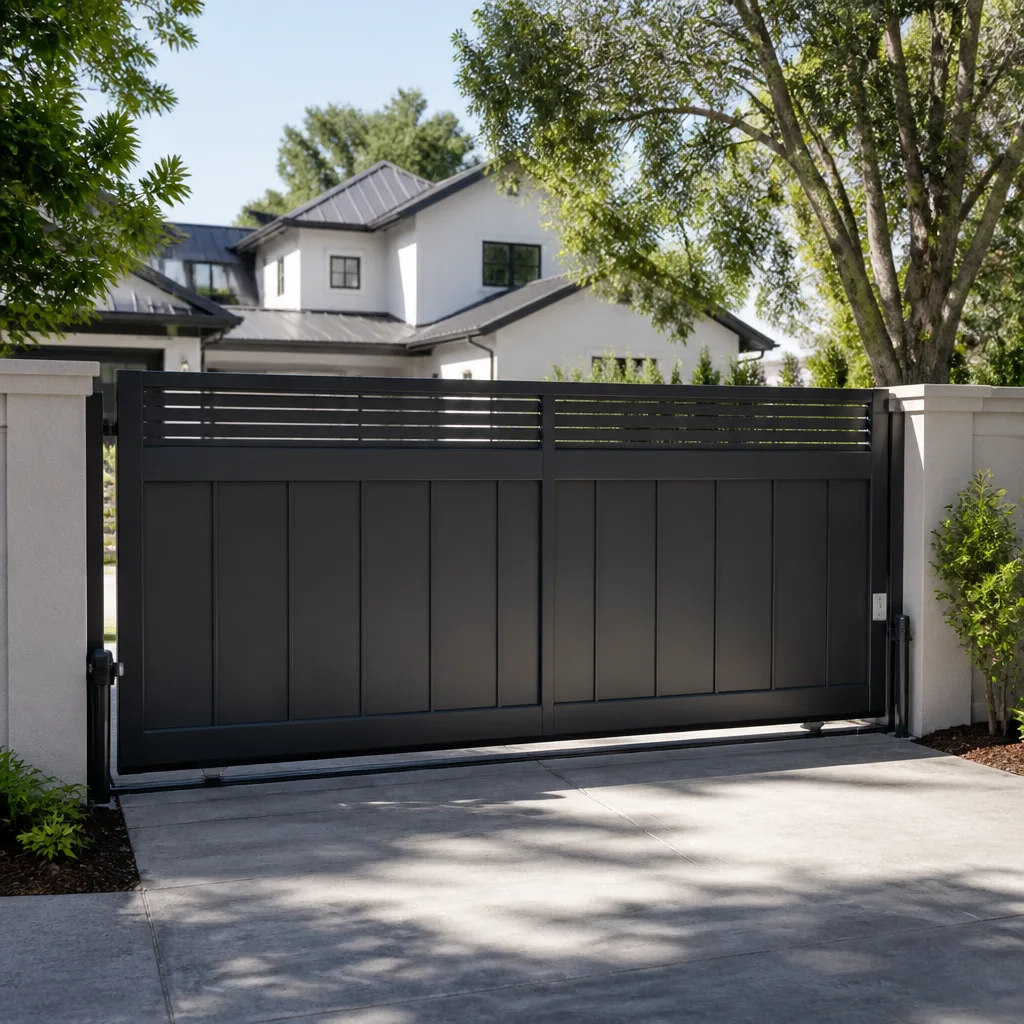
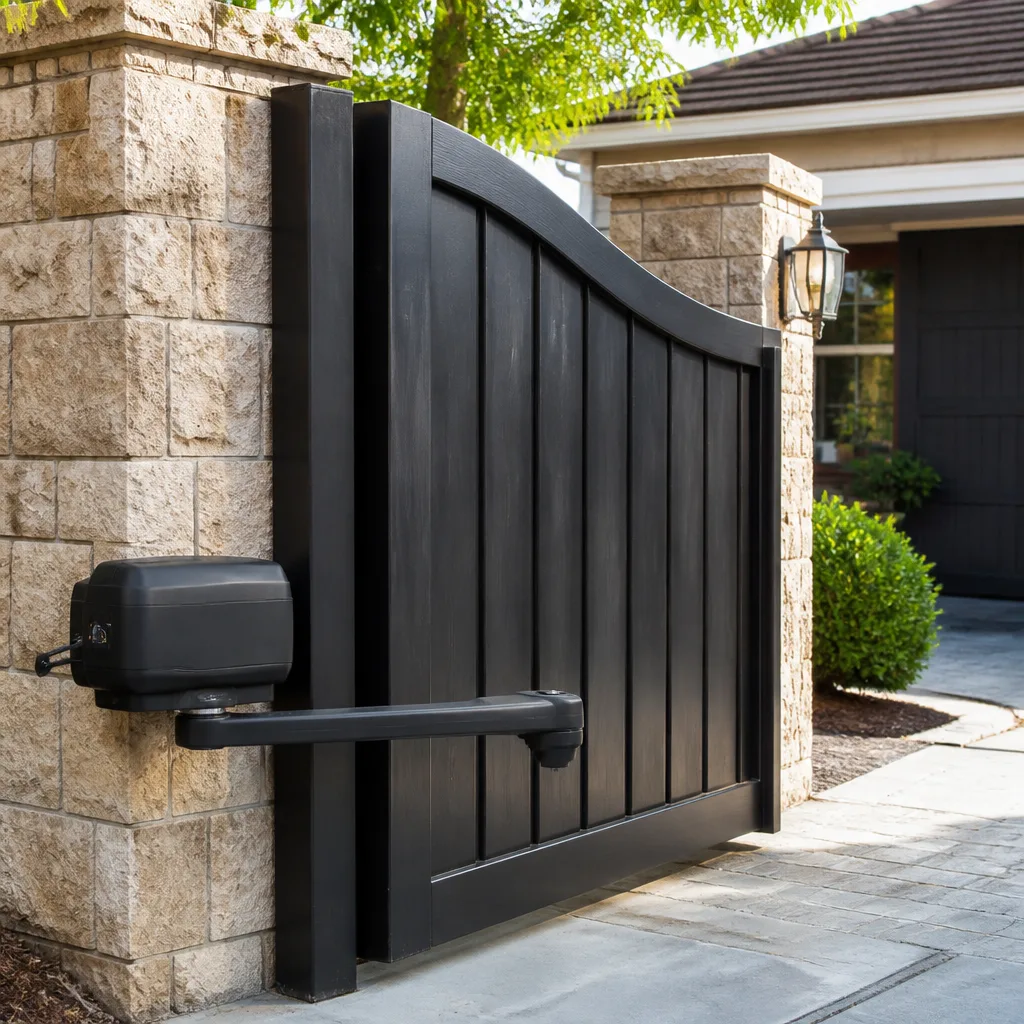
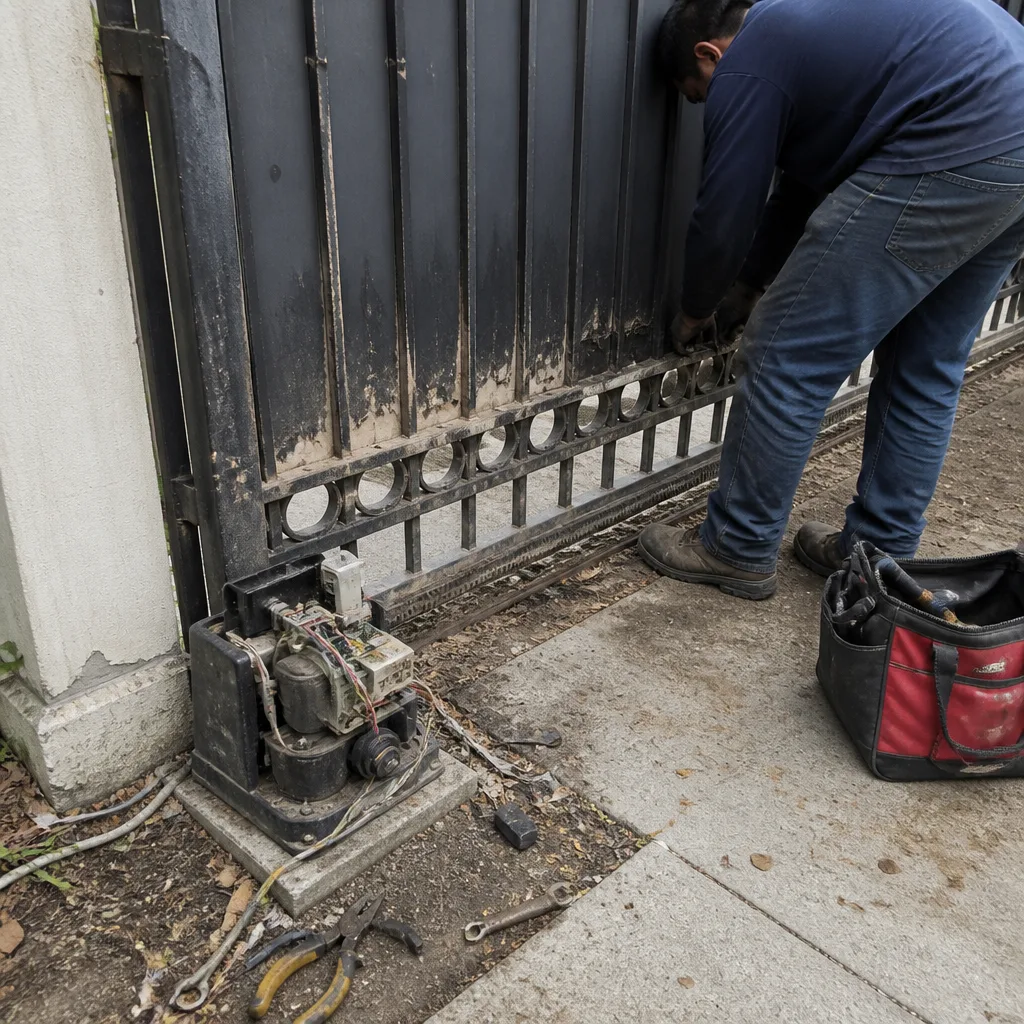 Before
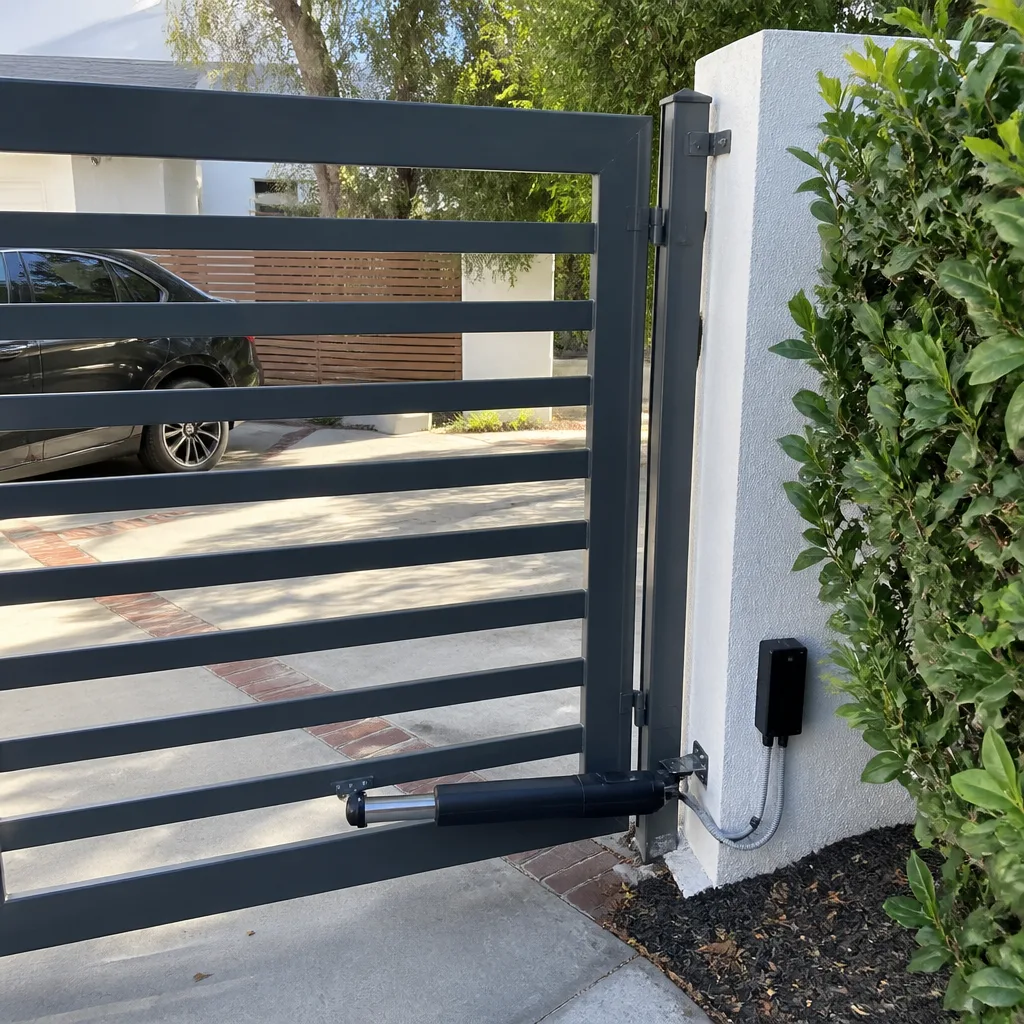 After
After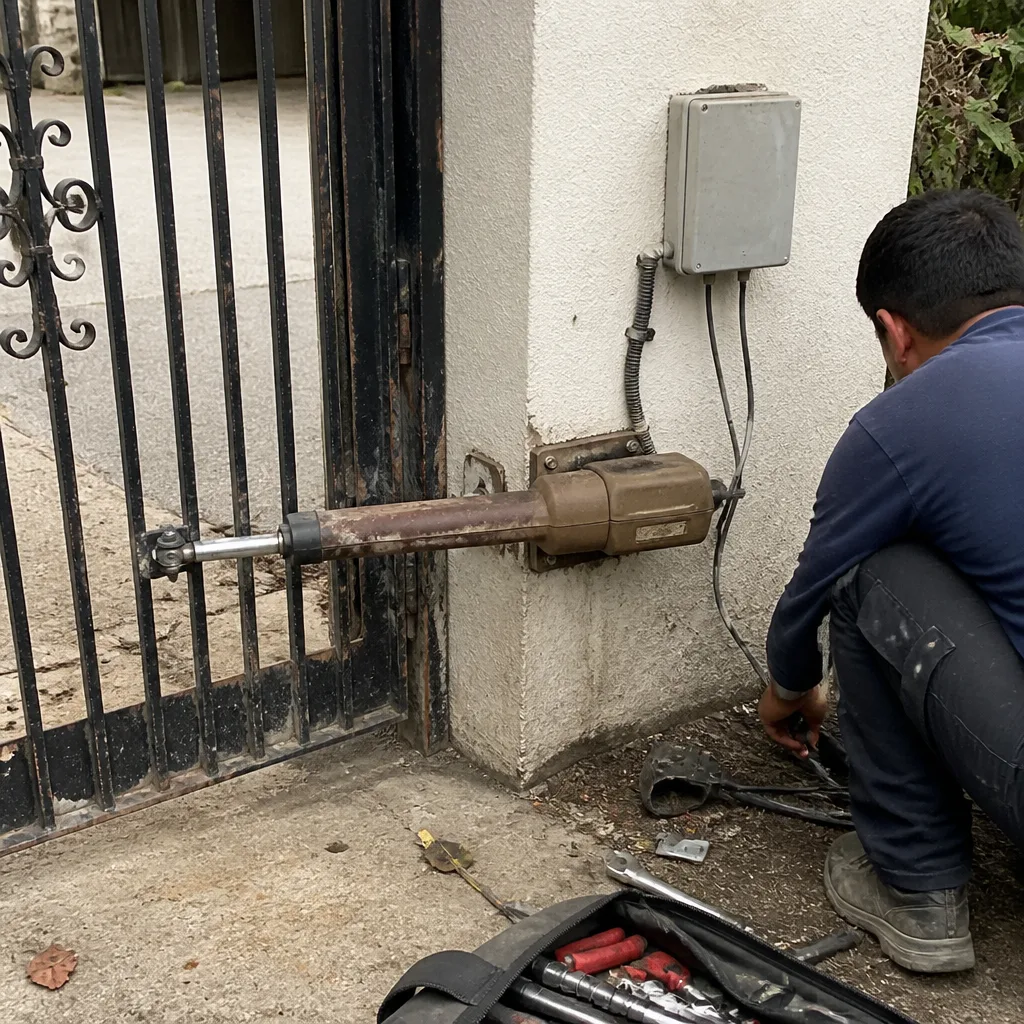 Before
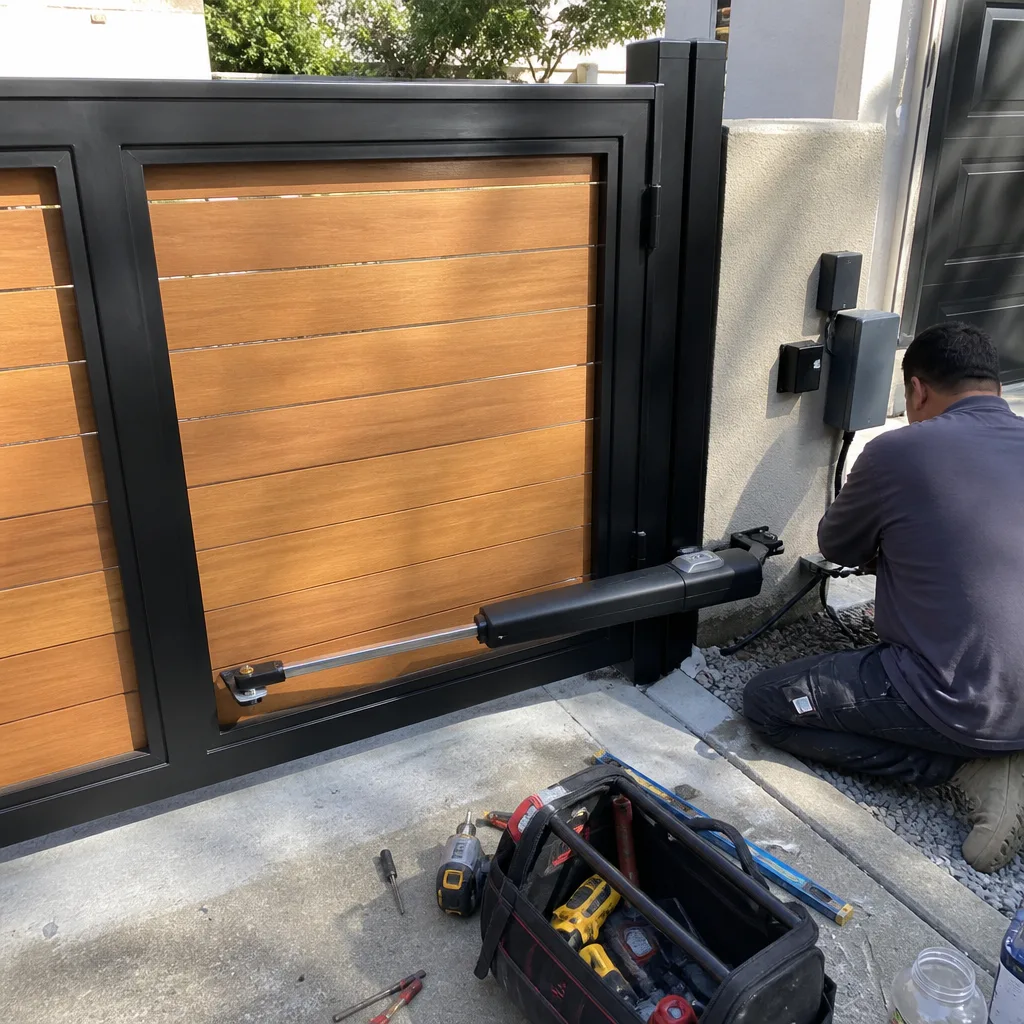 After
After Before
 After
AfterGate Repair Permits, Codes & Inspections in CA: What You Need to Know
Most homeowners in California never think about gate permits until a city inspector is already standing in the driveway asking questions. Here is the truth that surprises nearly everyone: the mechanical repair itself (springs, hinges, motors, welding) rarely requires a permit in Culver City or anywhere else in the state. What triggers the permit requirement is the work around the gate - the electrical run, the concrete pad, the structural posts, and especially anything that changes how the gate opens. This guide walks through exactly what California requires, what Culver City enforces, and how to avoid the three most common code violations we see on gates throughout the Westside. You will learn when a permit is mandatory, when it is not, what inspectors actually check, and how to prepare for an inspection without tearing your hair out.
Quick Answer
In California, most gate repairs do not require a building permit: replacing hinges, welding a cracked frame, swapping a motor, or servicing an opener is classified as maintenance. You do generally need a permit when the work involves new electrical wiring, a new concrete footing, structural post replacement, or any gate that swings over a public sidewalk. Culver City follows the California Building Code (CBC) with local amendments, so permits go through the city’s Building Safety Division.
Table of Contents
- What Requires a Permit in California
- What Does Not Require a Permit
- Culver City-Specific Codes and Local Amendments
- Electrical and Automation Codes for Gate Openers
- Safety Devices and Entrapment Protection
- The Inspection Process: What Inspectors Actually Check
- Homeowner vs. Contractor Permits: Who Pulls What
- Common Mistakes to Avoid
- When to Call a Professional
- Frequently Asked Questions
- The Bottom Line
What Requires a Permit in California
California’s building code treats gates as part of the structure they serve. That means a gate hanging on your property line is generally governed by the same rules as the fence, wall, or driveway it attaches to. Here is what triggers a permit requirement in most California jurisdictions, including Culver City:
- New electrical circuits or wiring. Running power to a new gate opener, adding a dedicated circuit, or extending an existing circuit usually requires an electrical permit. In Culver City, this falls under the city’s electrical code enforcement, which follows the California Electrical Code (CEC).
- New concrete footings or posts. If a gate post has rotted, shifted, or been hit by a vehicle, replacing it often means digging a new footing and pouring concrete. Structural work of this type requires a building permit in most cities.
- Any gate that swings over a public sidewalk or right-of-way. This is a major one. If your gate swings outward across a public sidewalk, California codes restrict how far it can project and at what height. Changing the swing direction of a gate that opens over public property almost always requires plan review.
- Automation added to a gate that was previously manual. Installing a motor, operator arm, and safety sensors on a manual gate is considered a change of use that requires permitting in many jurisdictions.
- Gates taller than 7 feet. In Culver City, as in most of California, fence and gate height limits apply. A gate over 7 feet tall in a residential zone typically needs a variance or permit.
We have helped homeowners in Carlson Park and Blair Hills navigate this process more times than we can count. The pattern is always the same: the gate itself is fine, but the electrical run or the footing triggers the permit. Knowing that ahead of time saves weeks of delay.
If you are uncertain whether your project needs a permit, the Culver City Building Safety Division has a helpful pre-submittal review process. A quick phone call or visit can clarify requirements before you spend money. And if you would rather have someone handle the entire process for you, we do this regularly for homeowners across Culver City and the surrounding Westside communities.
What Does Not Require a Permit
The good news is that most gate repairs fall squarely in the maintenance category. California building codes, and Culver City’s specific interpretation of them, generally exempt the following from permitting:
- Replacing worn hinges, bearings, or rollers. Hardware swaps are considered routine maintenance. No permit needed.
- Welding a cracked gate frame or reinforcing a sagging panel. As long as the structural post or footing is not being replaced, welding and reinforcing are permitted as repairs.
- Replacing a gate motor or opener with a like-for-like unit. If the existing electrical circuit is being reused and the new opener does not draw more amperage, no electrical permit is typically required.
- Adjusting or replacing safety sensors, photo eyes, and edge sensors. Safety device replacement is maintenance, not new construction.
- Lubrication, cleaning, alignment, and seasonal tune-ups. Routine care never requires a permit.
- Keypad, remote, and access control reprogramming. Programming changes do not require permits.
- Repainting, powder coating, or surface refinishing. Cosmetic work is exempt.
Here is the key distinction, and the one that saves Culver City homeowners real money: if the work restores the gate to its original condition, it is a repair. If the work changes the gate’s size, swing, power draw, or structural support, it is an alteration. Alterations trigger permits. Repairs do not. Simple as that.
There is one practical footnote worth knowing. Even when no permit is required, Culver City still expects the work to meet code. If a gate repair makes the gate unsafe, the city can require corrections after the fact. A repair done wrong is still a code violation, permit or no permit. That is why the quality of the work matters as much as the paperwork.
Culver City-Specific Codes and Local Amendments
Culver City adopts the California Building Code with its own set of local amendments, and there are a few that affect gate work specifically. Here is what we have learned from years of working in the city’s neighborhoods, from Culver Crest to Studio Village:
Gate Height Limits. Culver City’s zoning code limits residential fence and gate heights based on the zone district and the gate’s location on the property. Front yard gates are typically limited to 42 inches if they obstruct visibility at the driveway, while side and rear yard gates can go higher, usually up to 7 feet. Gates over 7 feet require a variance, which is a longer process involving neighborhood notification.
Driveway Sight Triangles. Culver City enforces visibility requirements at driveway entrances. A gate, post, or pillar that blocks the sight triangle at the driveway apron can be required to be modified or removed. This is a common issue in older neighborhoods like Lindberg Park where mature landscaping often narrows sight lines.
Public Right-of-Way Encroachment. Any gate that swings over, slides across, or in any way encroaches on a public sidewalk or parkway requires an encroachment permit from the city’s Public Works Department, in addition to any building permit. This is true even if the gate was there before and you are only replacing the opener.
Historical Overlay Zones. Parts of Culver City fall within historic district overlays. If your home is in a designated historic zone, any exterior gate alteration, including a full replacement, may require design review. The city’s Historic Preservation staff can confirm whether your property is subject to these rules.
Seismic Considerations. California is earthquake country, and Culver City sits on the Newport-Inglewood fault zone. Gate posts set in concrete must meet minimum embedment depths specified in the CBC. A post that is too shallow is a safety issue, not just a code technicality. We regularly see gate posts in older Culver City homes that were set 18 inches deep when the code calls for 30 or more. Those gates lean after every significant quake.
The most practical advice we can offer Culver City homeowners is this: call the Building Safety Division before you do structural gate work. The city’s inspectors are generally helpful and direct, and a 10-minute conversation can tell you whether your project is a simple repair or a full permit application.
Electrical and Automation Codes for Gate Openers
Automated gates in California are governed by the California Electrical Code and, specifically, by UL 325, the national standard for gate operator safety. This is the area where we see the most code violations on existing gates, and the area where homeowners are most often unaware of the requirements.
Here is what the code requires for any automated gate operator in Culver City or anywhere else in California:
- A dedicated circuit. Gate operators should be on their own circuit, typically 15 or 20 amps. Sharing a circuit with garage doors, outdoor lighting, or pool equipment is a violation we see constantly in older homes.
- Proper conductor sizing. Low-voltage gate operators (12V or 24V) still need correctly sized wire for the run length. Undersized wire causes voltage drop, which shortens motor life and causes intermittent operation. The CEC specifies minimum conductor sizes based on distance.
- GFCI protection. Any outlet serving an outdoor gate operator must be GFCI protected. This is non-negotiable in California. We replace non-GFCI gate circuits regularly in homes built before the code requirement.
- Disconnect means. There must be a means to disconnect power to the gate operator within sight of the gate. Many older installations lack this, and it is a required correction item in any inspection.
- Conduit, not bare cable. Buried electrical cable serving a gate must be in approved conduit at the required depth. In Culver City, direct-burial cable without conduit is a common problem, especially where DIY installations or unlicensed work occurred.
We are trained and equipped on nine gate-automation brands, including Ghost Controls, DoorKing, Elite, and Mighty Mule. That matters because each brand has different electrical requirements. A DoorKing operator may need a dedicated 20-amp circuit where a Ghost Controls unit runs fine on 15. Matching the electrical work to the specific operator is part of doing the job correctly the first time.
One more point that catches homeowners off guard: adding a battery backup to an automated gate may seem simple, but the battery, charger, and associated wiring are all part of the electrical installation and subject to inspection where a permit is required. In some cases, the battery backup changes the operator’s classification under UL 325.
Safety Devices and Entrapment Protection
This is the most important section of this guide, and the one we wish every homeowner would read before buying a gate opener online. UL 325 establishes mandatory entrapment protection for all automated gates. The code does not care whether the gate is on a mansion in Hancock Park or a modest home in Culver City’s Sunkist Park. The requirements are the same.
Every automated gate in California must have:
- Two independent entrapment protection mechanisms. Typically a set of photo eyes (non-contact sensors) and either an edge sensor (contact sensor) or an inherent reversing mechanism built into the operator.
- Photo eyes positioned to cover the full path of the gate. A gate that can crush a child against a post is not code compliant, and no amount of signage fixes that.
- An audio or visual alarm if the gate operator is not monitored. Many operators require an audible alarm that sounds when the gate moves.
- Proper force settings. The operator must reverse on contact with an obstruction at a low force threshold. We routinely find older operators in Culver City with force settings cranked up so high the gate could pin a person.
- Warning signs. Gates that are automatically operated must have warning signs posted. The specific sign type and placement depend on the gate’s configuration.
Here is a direct warning from our experience: a gate without working photo eyes and a functioning reversing mechanism is a code violation and a genuine safety hazard. These are not bureaucratic boxes to check. Gates kill people every year. The safety devices exist because of real tragedies. We do not compromise on this, and we will not work on a gate unless the safety devices are functional when we leave.
If your automated gate in Culver City predates 2016, it may not meet current UL 325 requirements. The code does not require retrofitting an existing gate unless significant work is being done, but if you are already replacing the operator or rewiring the gate, the city can require the installation to be brought up to current standards. That is information worth having before you start a project.
The Inspection Process: What Inspectors Actually Check
If your gate project does require a permit, here is what the inspection process looks like in Culver City. Knowing what the inspector checks will save you from a failed inspection, and a failed inspection means a re-inspection fee and a delay.
The typical inspection sequence for a new automated gate looks like this:
- Footing inspection. If new posts are being set, the inspector checks the hole depth, width, and reinforcing steel before concrete is poured. In Culver City, the minimum footing depth for a gate post is typically 30 inches, but this varies with soil conditions and gate weight.
- Electrical rough-in inspection. The inspector verifies conduit size and depth, wire gauge, and circuit location before the trench is backfilled. This happens before the operator is installed.
- Final inspection. Once everything is installed, the final inspection confirms that the operator is connected correctly, the safety devices are functioning, the gate reverses properly, and the installation matches the approved plans.
- Potential follow-up corrections. If the inspector finds issues, you get a correction notice. Corrections must be made and the work re-inspected. This costs time and money, which is why getting it right the first time matters.
Here is what inspectors in Culver City specifically look for on final inspection, based on patterns we have seen over many years:
- Does the gate reverse when it hits resistance? The inspector will physically test this.
- Are the photo eyes aligned, clean, and mounted at the correct height?
- Is the warning signage in place?
- Is the operator’s force setting within UL 325 limits?
- Does the gate have the required clearance from the driveway and any public walkway?
- Is the electrical disconnect accessible and clearly marked?
- Does the gate swing freely without the operator connected?
A professional installation typically passes final inspection the first time. A DIY installation or a handyman job often fails on safety device configuration alone. The inspection is not a hurdle to dread, it is a check that the work was done correctly. The city is verifying what a good contractor should have already verified.
Homeowner vs. Contractor Permits: Who Pulls What
California allows homeowners to pull their own permits, but there is a very important distinction that many people miss. When a homeowner pulls the permit, the homeowner assumes legal responsibility for the work meeting code. This is true even if a contractor does the installation.
Here is how it breaks down in practice:
Homeowner permit. The homeowner applies, pays the fee, and is listed as the responsible party. This is legal for owner-occupied residences. The advantage is lower cost, since no contractor’s license is required. The disadvantage is liability. If the work fails inspection or, worse, fails in a way that causes injury or property damage, the homeowner bears the responsibility entirely. There is no contractor to call back.
Contractor permit. A licensed contractor pulls the permit under their license number. The contractor is legally responsible for the work meeting code. If something goes wrong, the contractor’s license and bond are on the line. This is the arrangement we recommend for gate automation work, which involves both electrical and mechanical elements.
Here is the practical reality. Most legitimate gate contractors in Culver City include permit costs in the project quote and handle the permit application as part of the job. It saves the homeowner time, and it puts the responsibility where it belongs: on the professional doing the work.
One hard truth from 42 years in this business: a contractor who asks the homeowner to pull the permit is often trying to avoid the legal responsibility that comes with it. That is a red flag. A reputable contractor pulls their own permits.
Common Mistakes to Avoid
- Assuming all gate work is exempt. Most repairs are exempt, but adding automation, replacing structural posts, or running new electrical is not. Assuming the repair is permit-free without checking can leave you holding a stop-work order from the Culver City Building Safety Division.
- Skipping the UL 325 safety devices. This is the most dangerous mistake on this list. A gate without functioning photo eyes and a reversing mechanism is a code violation and a hazard to children and pets. We will not leave a gate in that condition.
- Allowing a handyman to run electrical for a gate. Unlicensed electrical work is the most common code violation we see in Culver City garages and driveways. Without a licensed electrician or a contractor with electrical certification, the work may not meet CEC standards, and it will fail inspection.
- Ignoring the sight triangle at the driveway. A beautiful new gate or pillar can block the view of oncoming traffic. Culver City enforces sight triangle requirements, and the correction can mean moving a post that was just set in concrete.
- Buying a gate opener online and hiring someone to slap it in. Big-box and online openers are not all UL 325 compliant, and the installation may not match the operator’s electrical requirements. We have corrected more online-purchase installations around Culver City than we can count.
- Overlooking the right-of-way issue. A gate that swings over the public sidewalk is subject to encroachment rules even if it has been there for decades. Changing the opener or replacing the gate can trigger a requirement to bring the encroachment into compliance.
- Waiting until the gate fails completely. Gates that are maintained last decades. Gates that are run until they break usually need full replacements. Seasonal maintenance is cheaper than emergency replacement, and it keeps the gate code compliant along the way.
When to Call a Professional
There are gate repairs that a capable homeowner can handle: lubricating hinges, tightening bolts, adjusting the photo eye alignment. And then there are situations where calling a professional is not just the easier path, it is the safer one.
Call a licensed gate contractor when the repair involves the operator, the electrical, or any structural failure. A gate that sags badly, a post that has shifted, an opener that sparks or trips a breaker, and any automated gate that does not reverse on contact are all professional territory. The high-tension springs and cables on a heavy driveway gate can cause serious injury if handled incorrectly. We also recommend professional help when a permit is required. The permit process goes faster and cleaner when the contractor handles it as part of the job. Ironworks Gate Co. offers free estimates in Culver City, call (619) 350-4659 and we will walk the site, identify what needs a permit and what does not, and give you a straight answer in writing.
Frequently Asked Questions
In most cases, no. Replacing an opener like-for-like, using the existing electrical circuit, is considered maintenance and does not require a permit in Culver City or elsewhere in California. If you are adding automation to a manual gate, running new electrical, or changing the operator’s power requirements, a permit is likely required. Call (619) 350-4659 if you are unsure, we can tell you in minutes whether your specific situation triggers a permit.
Permit fees vary by project scope, but expect building permit fees for a typical automated gate installation in Culver City to start in the low hundreds of dollars and increase with the project’s valuation. Electrical permits are separate and add to the total. The city’s Building Safety Division provides current fee schedules, and a contractor’s quote should itemize permit costs so there are no surprises. For an exact breakdown on your project, call (619) 350-4659 for a free estimate.
Yes, California allows homeowners to pull permits for owner-occupied residential work. However, the homeowner then assumes legal responsibility for the work meeting code. For gate automation, which involves both electrical and mechanical elements, we recommend having a licensed contractor pull the permit. The liability stays with the professional, and the inspection process moves faster.
If the gate was installed without a required permit in Culver City, the city can require the work to be brought into compliance. This typically means retrofitting the work to meet current code and paying the permit fees, potentially with penalties. In practice, the city focuses on safety violations and public right-of-way encroachments. If you inherited an unpermitted gate, the safest path is to have it inspected by a professional and corrected if needed. Call (619) 350-4659 for an evaluation.
Sliding gates generally have fewer right-of-way concerns than swinging gates, since a sliding gate does not project over the sidewalk when it opens. However, sliding gates require a track or cantilever system that may need a concrete footing, and the operator is subject to the same UL 325 safety requirements. The permit triggers are essentially the same: new electrical, new footings, or structural changes.
For a straightforward gate project, the permit application in Culver City can take one to two weeks for plan review, and inspections are typically scheduled within a few days of the request. Complex projects, including variances for gate height or historic district review, can take significantly longer. A contractor who is familiar with the city’s process can keep the timeline predictable and avoid the common delays. Call (619) 350-4659 for a realistic timeline on your specific project.
The Bottom Line
The gate permit picture in California is simpler than most people fear. Most repairs need no permit at all. What requires a permit is predictable: new electrical, new footings, structural changes, and any gate that affects the public right-of-way. Culver City adds a few local layers on top of the state code: height limits, sight triangle enforcement, and encroachment rules that matter for swing gates on tight lots. The practical takeaway is this: check before you build, keep your safety devices functional, and pull the right permit for the right scope of work. A gate done right passes inspection the first time, operates safely for decades, and stays out of the city’s correction queue. For homeowners in Culver City, that is a question we answer every day. Call (619) 350-4659 for a free estimate, and we will tell you exactly what your gate needs.
Written by Victor Salinas, Owner at Ironworks Gate Co., serving Culver City since 2013.