
Last updated August 25, 2026
Free on-site gate assessment - hinges, posts, and your LiftMaster or Nice gate operator checked before anything is quoted
The assessment is free and the quote is the invoice.

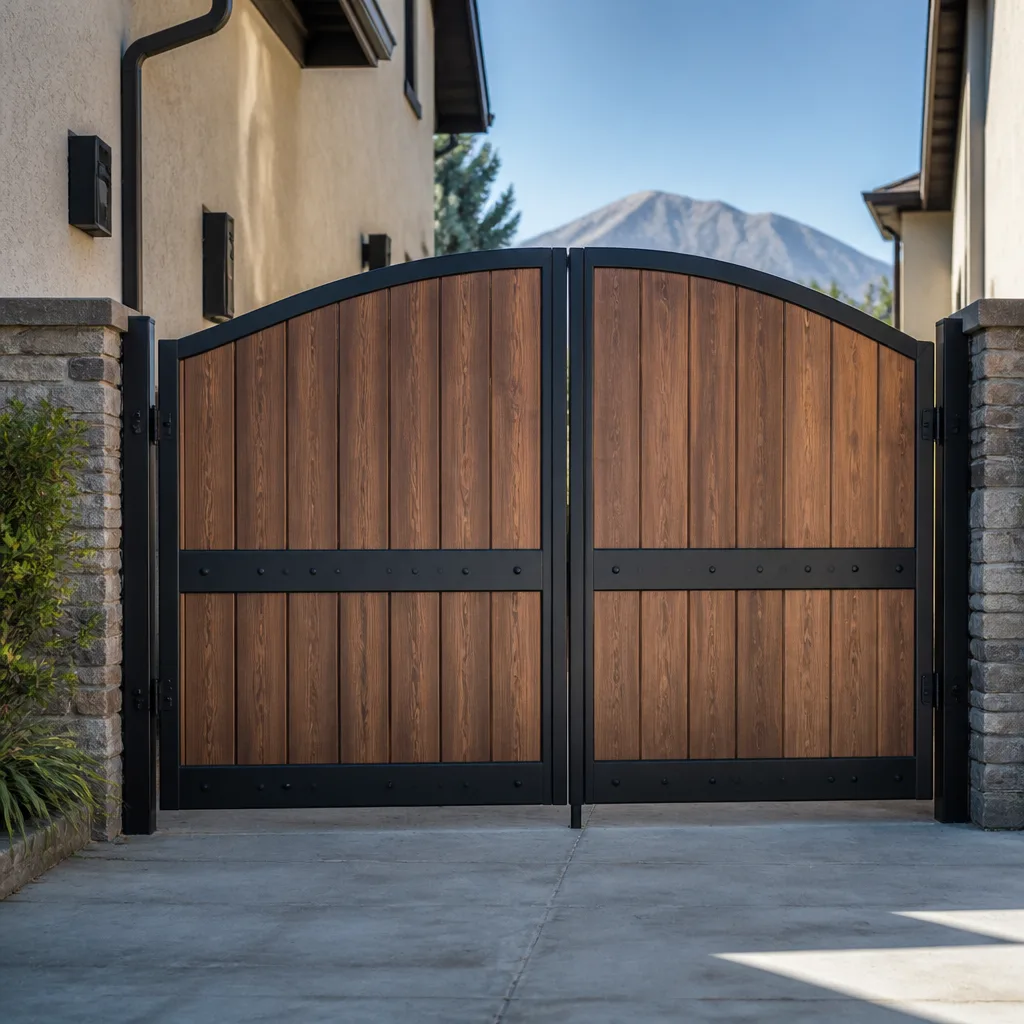
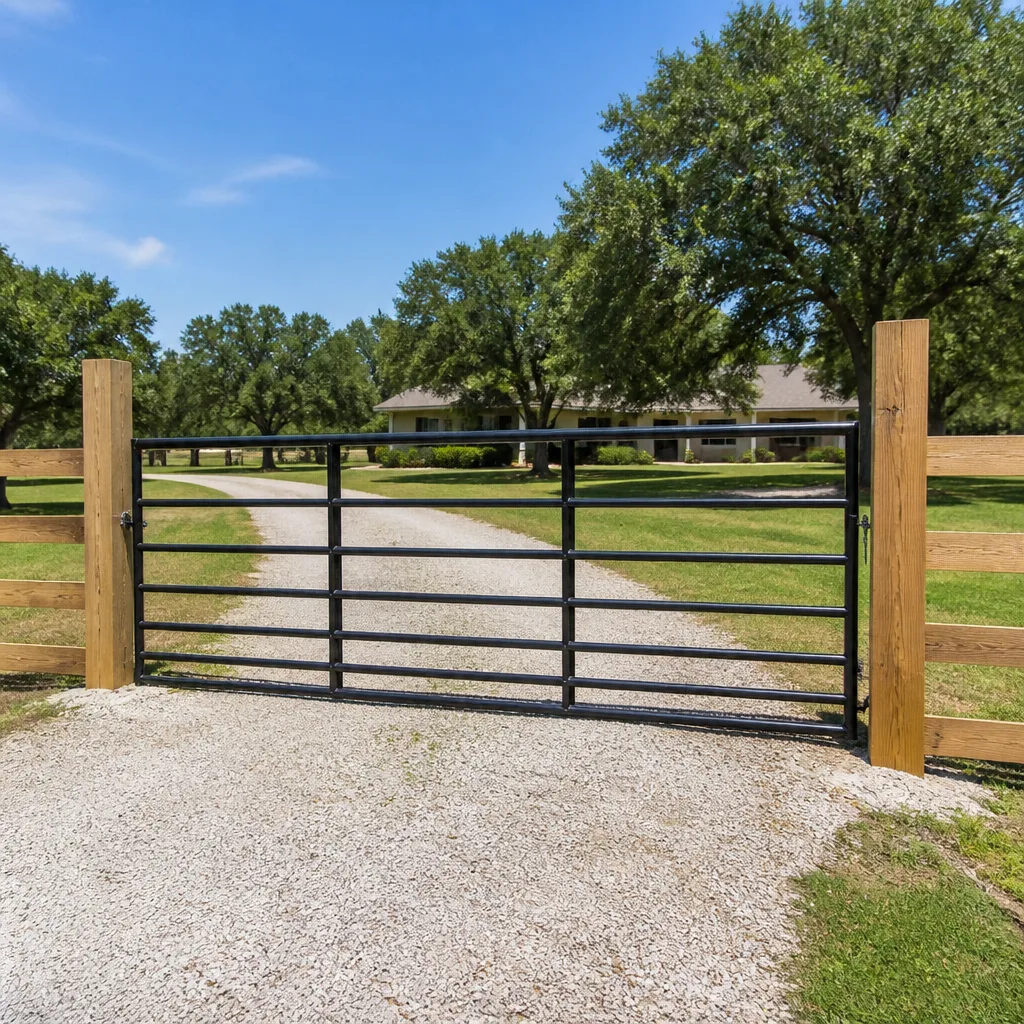
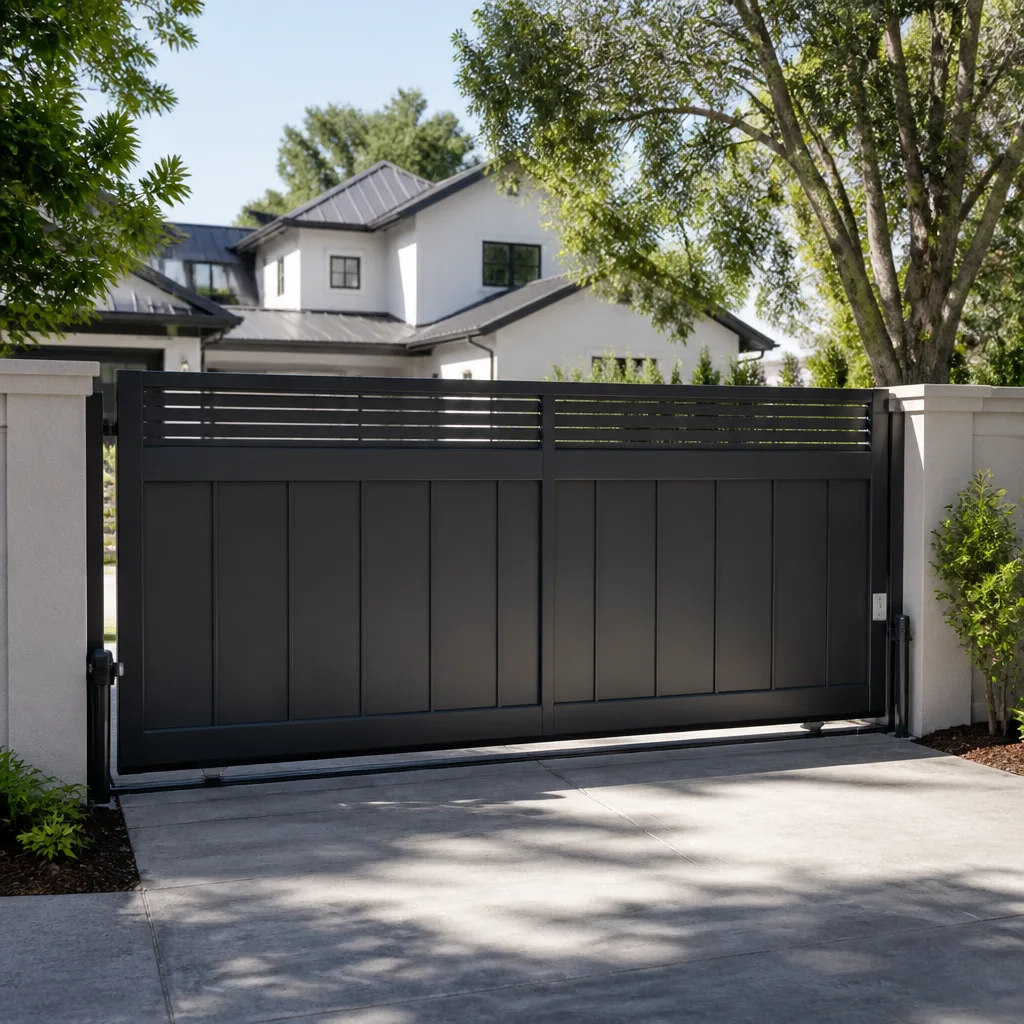
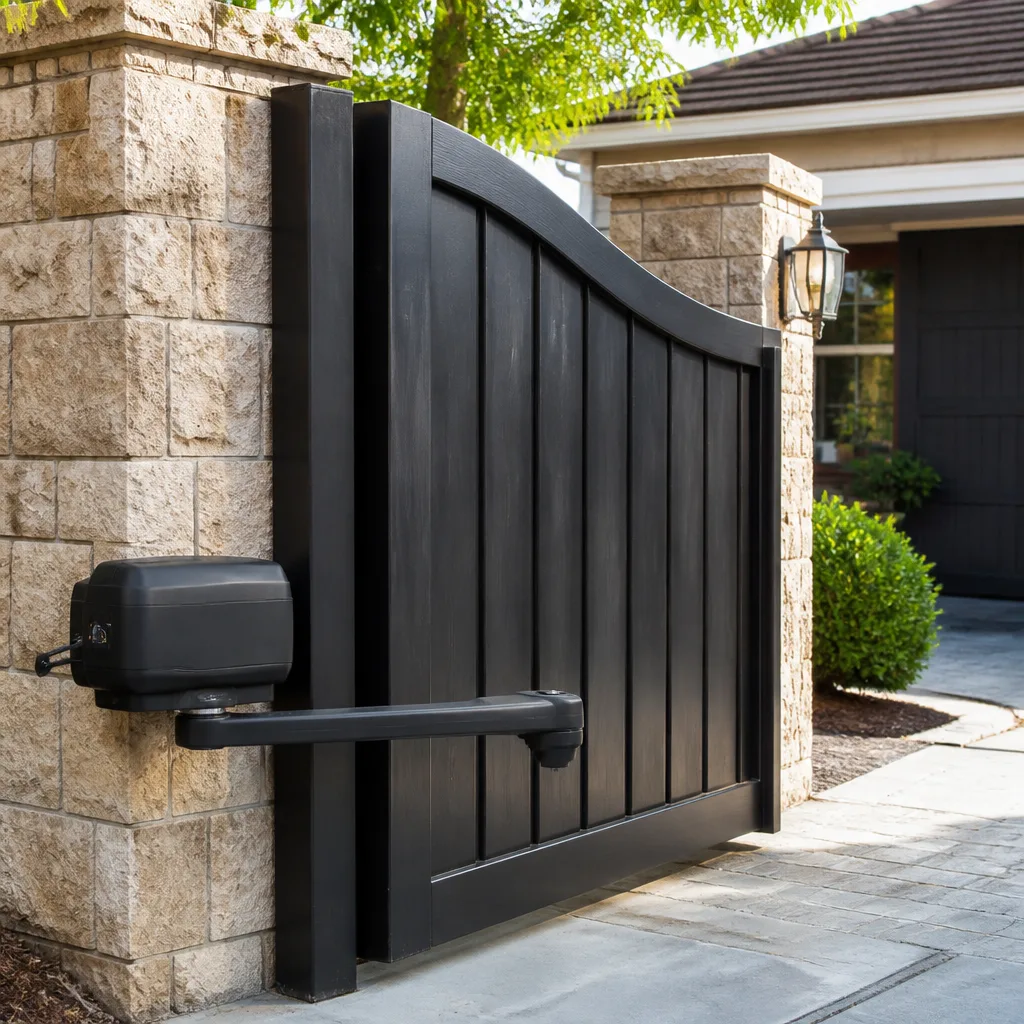
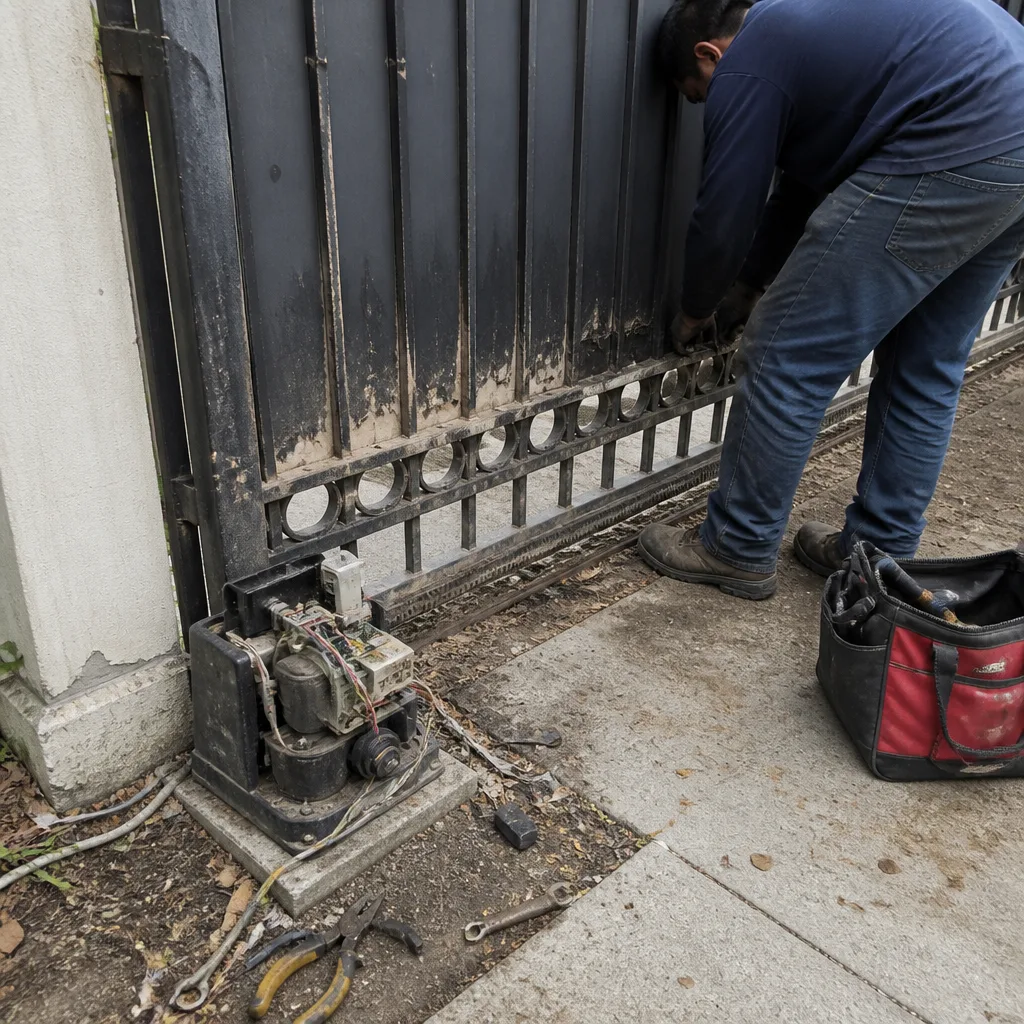 Before
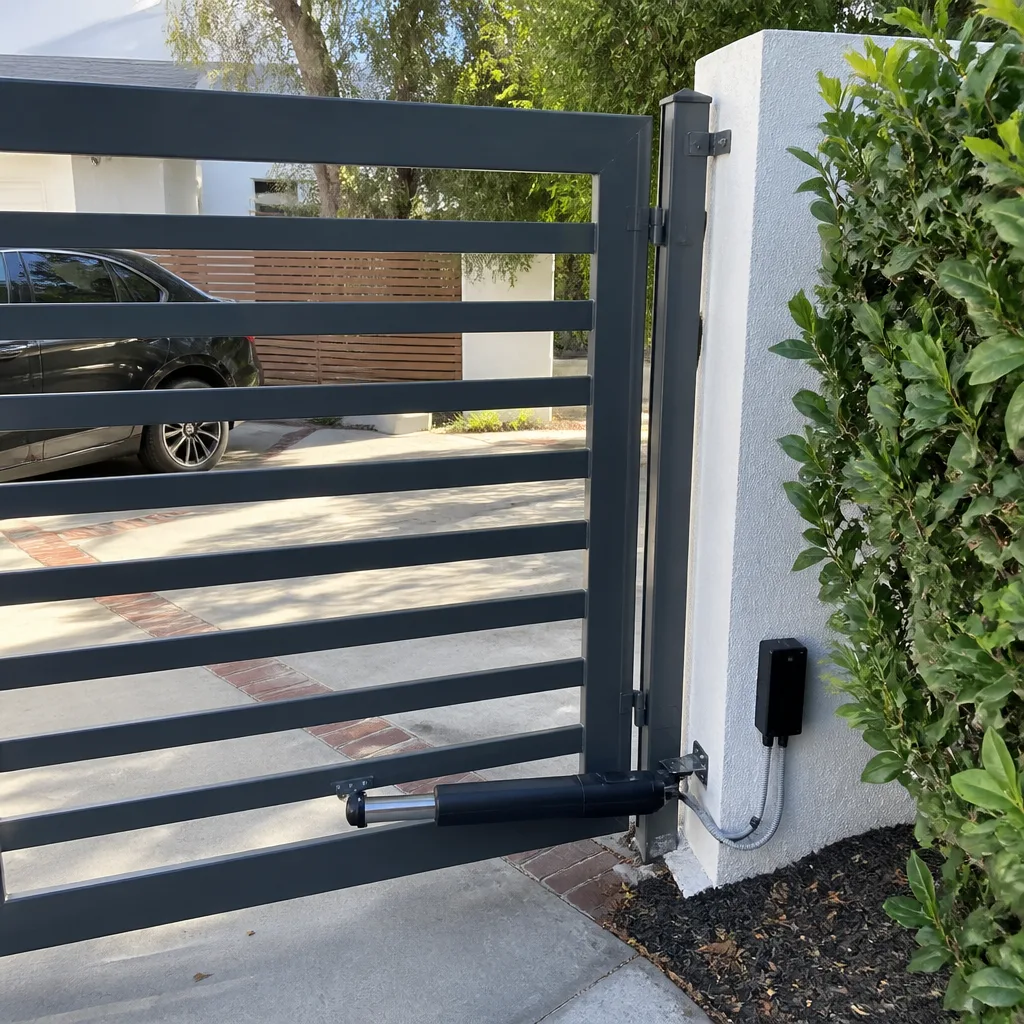 After
After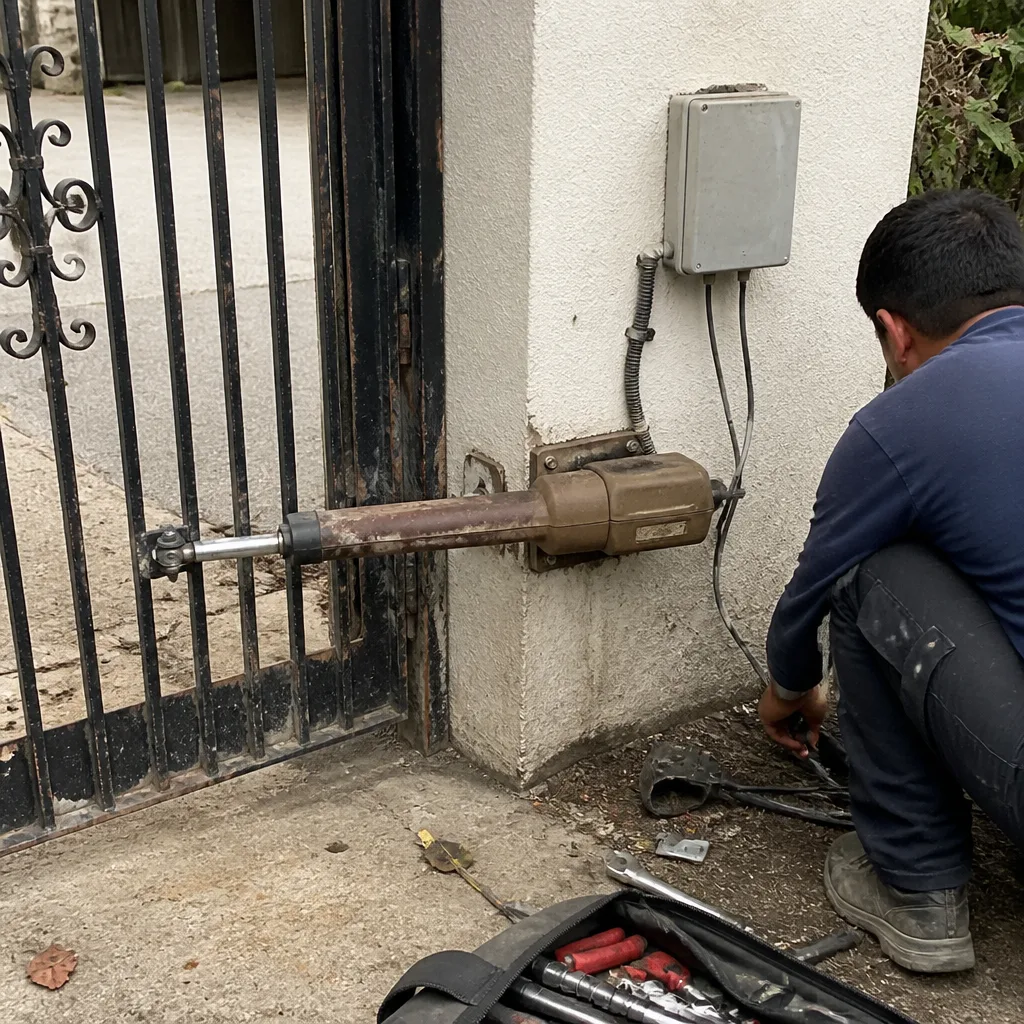 Before
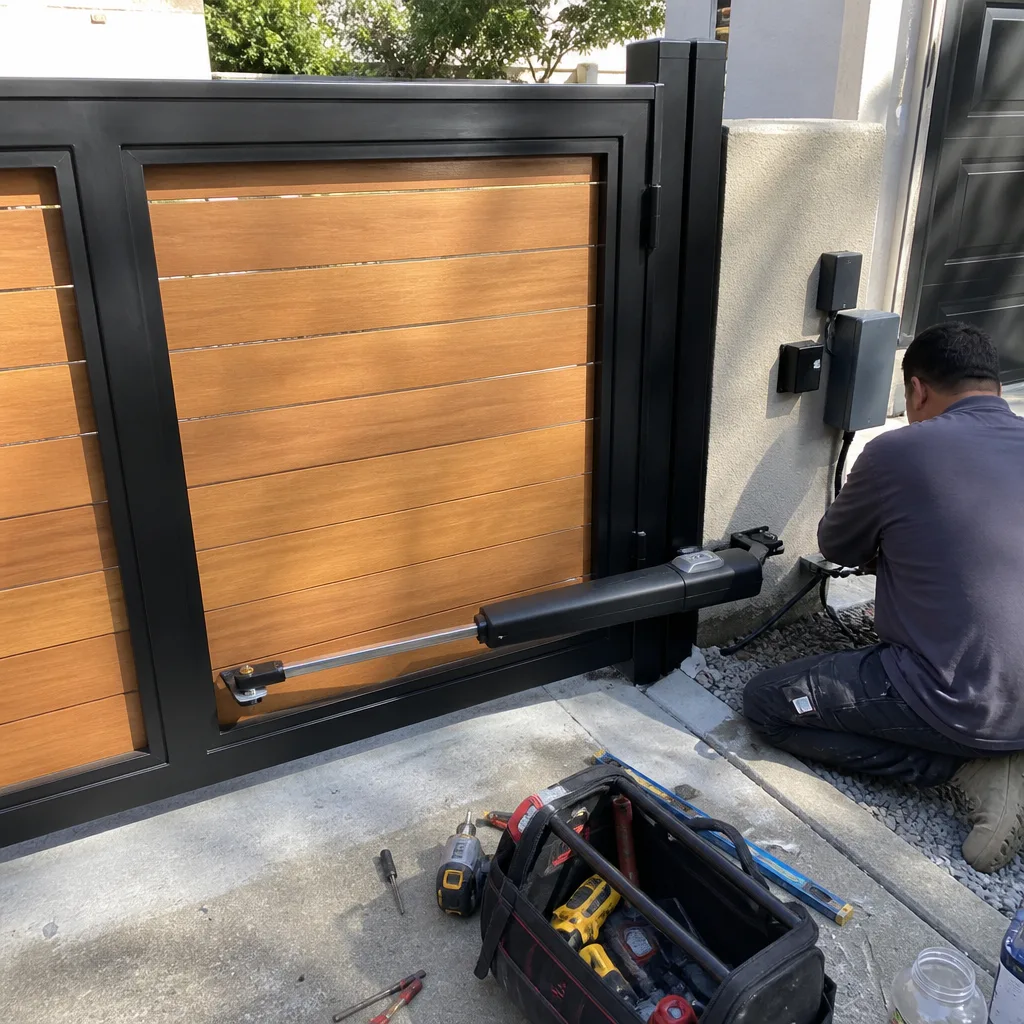 After
After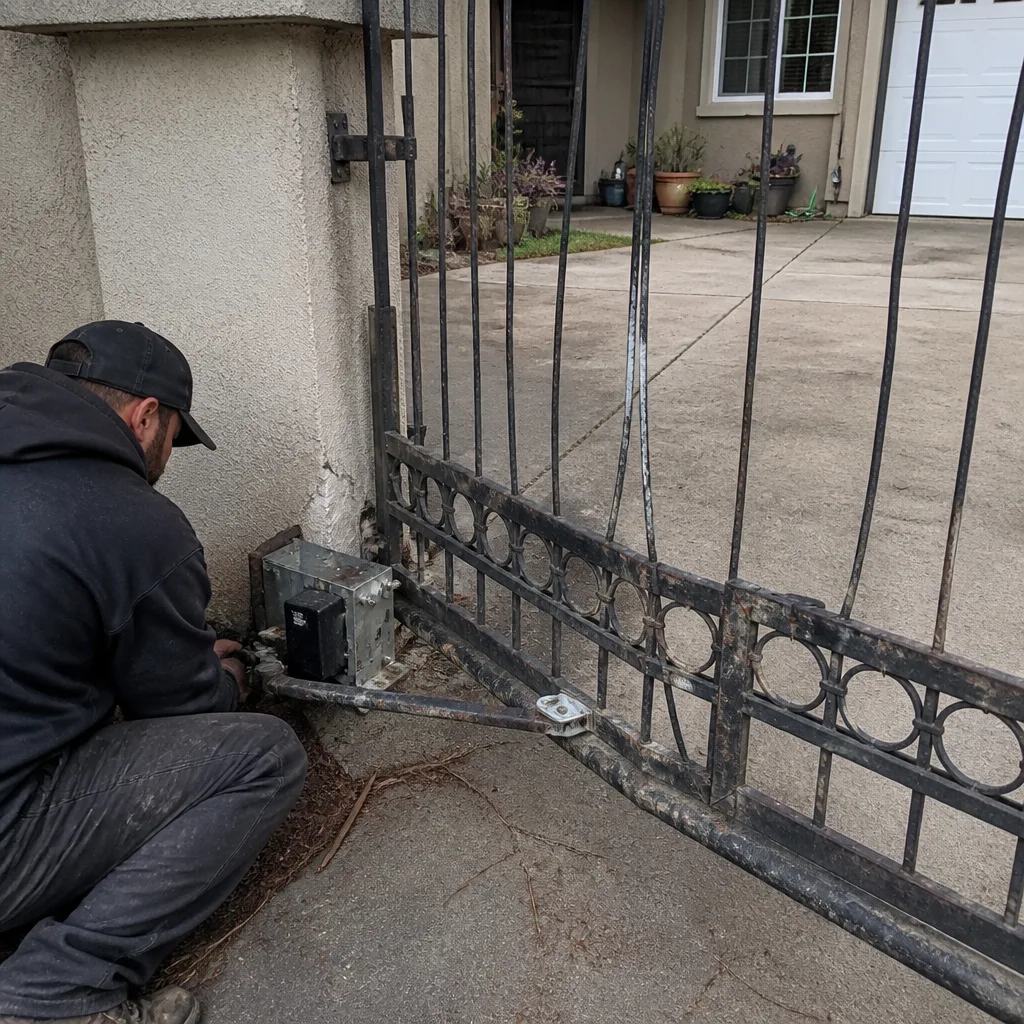 Before
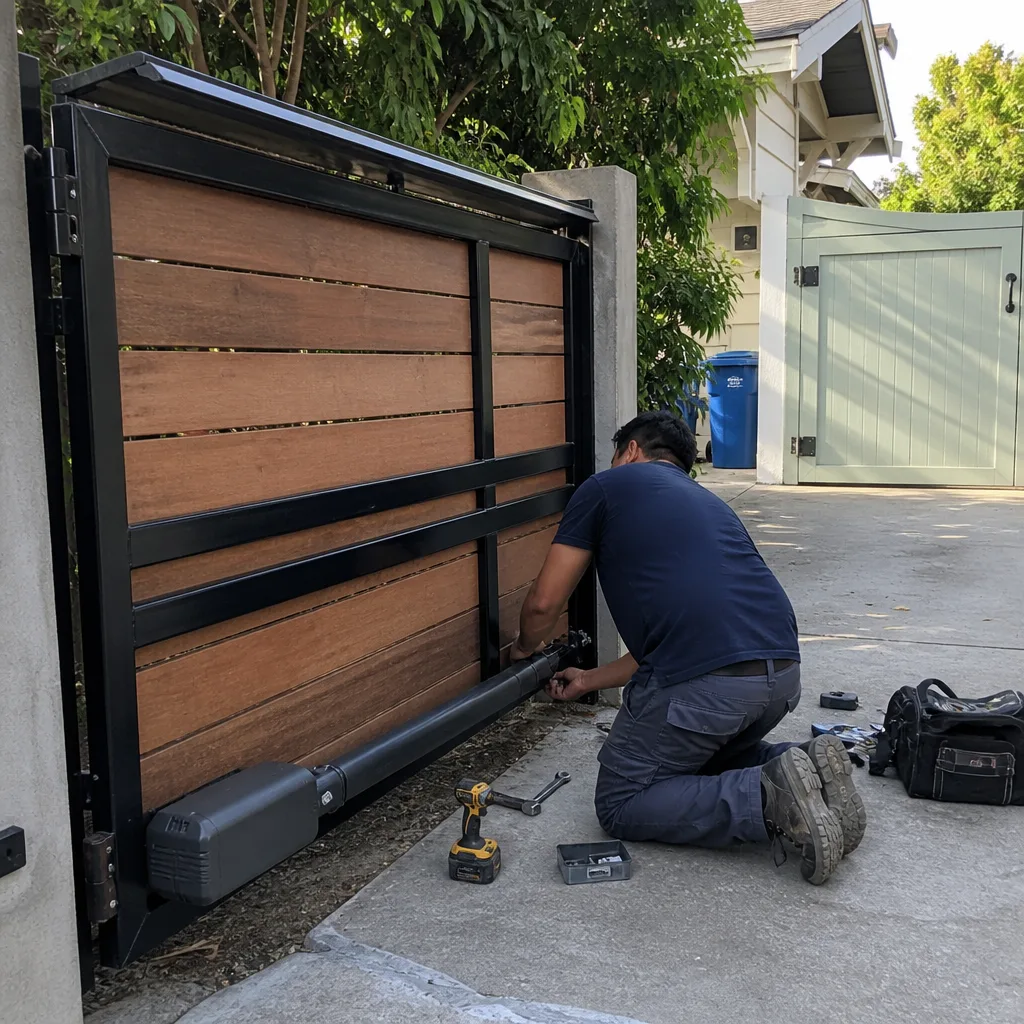 After
AfterGate Repair Maintenance Checklist for Culver City Homeowners
Here’s a number that surprises most homeowners: in our four decades of gate work across Culver City, we’ve found that roughly 7 out of 10 gate failures we’re called to fix could have been prevented with about twenty minutes of attention twice a year. Gates fail slowly, not suddenly. A hinge that made a faint squeak in March becomes a sagging, scraping gate by August. A photocell lens that collected a film of dust in the dry season stops reading the beam and the gate refuses to close. This guide walks you through what to check, when to check it, how Culver City’s particular climate and soil conditions affect your gate, and what you can safely handle versus what genuinely needs a trained technician. You will not need to buy a single specialized tool to complete the maintenance items on this list.
Quick Answer
Twice a year, Culver City homeowners should inspect their gate’s hinges, track, wheels, safety sensors, and opener chain or belt; lubricate moving metal parts with a dry silicone spray; verify that the auto-reverse and photo-eye safety features work; and tighten any loose hardware. Between seasonal checks, address any new noise, jerky movement, or slower-than-usual travel immediately, and schedule a professional inspection any time the gate stops settling fully against its end stops or begins drawing more current than normal.
Table of Contents
- Why Culver City’s Climate and Soil Matter to Your Gate
- The Seasonal Maintenance Checklist (Do This Twice a Year)
- The Monthly Quick Pass: Ten Minutes, No Tools
- Hinges and Hardware: What Sagging Actually Means
- Safety Systems: Photo Eyes, Auto-Reverse, and Edge Sensors
- Openers and Electric Motors: What to Listen For
- Common Mistakes to Avoid
- When to Call a Professional
- Frequently Asked Questions
- The Bottom Line
Why Culver City’s Climate and Soil Matter to Your Gate
Most maintenance advice for automatic gates is written as if every driveway in America sat in the same weather. Yours does not. Culver City sits in a coastal plain where morning marine layer meets afternoon sun, and that cycle does specific things to metal and electronics. Steel that stays damp until ten o’clock most mornings and then bakes under direct sun is cycling through a daily thermal expansion and contraction pattern that, over years, loosens fasteners, opens hairline cracks in paint and powder coating, and accelerates rust wherever the coating has already been compromised.
We see the pattern most clearly on gates facing west. A west-facing gate on a street like those north of Washington Boulevard takes the full force of the afternoon heat after a damp morning, and that is where hinges wear fastest and where galvanized posts show their first signs of oxidation at the base.
Soil matters too. Much of Culver City, particularly the hillside areas and the older sections near downtown, sits on expansive clay soil that swells when the winter rains arrive and shrinks during the long dry stretch from May through October. Gate posts set in concrete that sits in that soil move slightly with the seasons. Not much, a fraction of an inch most years. But a fraction of an inch at the base of a twelve-foot gate translates into a visible change at the latch end. That is why keeping your latch and receiver aligned is an ongoing job in Culver City, not a set-it-and-forget-it task. In our experience, the gates that last forty years here are the ones whose owners accepted that the ground moves a little and adjusted for it twice a year.
Salt air is a lesser factor for most of Culver City than it is for the beach cities, but the breeze through Ballona Creek carries enough moisture that unprotected welds and untreated steel brackets will show rust sooner than you would expect this far from the ocean. If your gate has bare steel or factory-primed-only components, address the finish now, not after the rust has taken hold.
The Seasonal Maintenance Checklist (Do This Twice a Year)
The core of this guide. Set a calendar reminder for early April and early October. Those dates bracket the two seasons that matter most in Culver City: the tail end of the rainy season and the end of the dry season. Each pass takes roughly twenty to thirty minutes once you know what you are looking at, and everything on this list can be done with a standard household toolkit plus a can of dry silicone spray.
- Open and close the gate fully two times. Stand where you can see the full arc of travel. Watch the gap between the gate and the ground. Listen for any new scrape, squeal, rattle, or grinding. Note where in the travel any noise occurs.
- Inspect all hinges and pivot points. Look for rust, for a sag that causes the latch end to hang lower than the hinge end, and for any bolt that has backed out. A gate that has sagged by even half an inch is transferring stress to the opener every single cycle.
- Tighten every accessible bolt, nut, and bracket screw. Use hand tools only. An impact driver will overtighten and can strip threads set in aluminum. It is normal to find at least one or two loose fasteners per season, particularly after the ground has shifted during winter rains.
- Lubricate moving metal points with a dry silicone spray. Hinge pins, latch mechanisms, wheel bearings, and any metal-on-metal pivot. Do not use WD-40, and do not use grease. WD-40 is a solvent and will strip whatever lubrication remains. Grease traps Culver City’s fine dust and becomes an abrasive paste within a month. Dry silicone leaves a clean film that does not attract grit.
- Clean the photo-eye lenses on both sides of the gate with a dry or slightly damp cloth. Culver City’s dry season puts a fine dust film on everything, and a dirty lens is one of the most common reasons a gate refuses to close or reverses for no apparent reason.
- Check the chain or belt on the opener for slack. Press gently in the middle of the run with a finger. A chain should deflect only slightly. If it droops visibly or slaps against the rail during operation, it needs adjustment.
- Test the auto-reverse safety feature. Place a two-by-four or a rolled-up towel in the path of the closing gate. The gate should contact the obstruction, reverse direction, and return to the open position. If it does not reverse, stop using the gate and call a professional. This is a safety mandatory, not a suggestion.
- Check the gate stop and the receiver. The gate should come to a gentle, complete stop without slamming into the end post, and the latch should seat without being forced. If you have to lift the gate or push it to get the latch to catch, the gate needs alignment work.
This list, done faithfully twice a year, addresses roughly three-quarters of what we get called out to repair in Culver City. The rest is mostly age-related component wear: capacitors in opener boards, worn circuit board relays, failed gear assemblies, and the occasional broken spring or cable. Those are not maintenance items. Those are replacement items.
The Monthly Quick Pass: Ten Minutes, No Tools
Between the seasonal checks, run through this shorter list once a month. It takes less than ten minutes and catches most developing problems before they become repair calls. If you do nothing else from this guide, do this.
- Watch one full open-and-close cycle. Does the gate move smoothly, at the same speed it always has? A gate that moved more slowly this week than last is telling you something.
- Listen. New noises never mean nothing. A hum that was not there before, a click, a grinding sound, a thunk at the end of travel: these are early warnings, and early warnings are cheaper than late ones.
- Check the area around the gate’s path. Culver City is full of mature trees, and branches grow fast in spring. A branch that was clear in January may be brushing the gate by April. Clear vegetation away from the gate, the track, and the photo eyes.
- Wipe the photo-eye lenses quickly, even if they look clean. A two-second wipe prevents the single most common false-obstruction problem we see in Culver City.
- Look at the ground under the gate. New rust-colored stains, fresh metal shavings, or a buildup of dark dust under a wheel or hinge means something is wearing abnormally.
This monthly pass is also the moment to mark anything that seems off in a note on your phone or calendar. A two-line entry like “gate hesitated for two seconds before reversing in March” is genuinely useful when you call a technician later. Most homeowners who call us with a vague problem cannot describe it accurately because they noticed it weeks earlier and forgot the details by the time they called. The note helps us diagnose faster, and a faster diagnosis means a cheaper visit.
Hinges and Hardware: What Sagging Actually Means
Every gate sags eventually. Materials get tired, fasteners loosen, the ground below the posts moves with the seasons, and gravity never takes a day off. A sagging gate announces itself in stages, and Culver City homeowners who catch it at stage one save themselves a much larger repair a year later.
Stage one is the latch dragging. The gate still opens and closes, but the latch no longer slides smoothly into the receiver. You might have to lift the gate slightly to get it to catch, or you might hear a metallic scrape as the latch finds the receiver. Stage two is visible droop at the free end of the gate, usually a quarter inch to a full inch lower than the hinge end. Stage three is the gate scraping the ground or the track, and by now the opener is working against an extra load with every cycle. Stage four is the opener failing, because the opener has been quietly absorbing the mechanical stress of a gate that no longer moves freely for months.
The fix at stages one and two is usually straightforward: adjust or replace the hinge bushings, realign the latch, and re-secure the posts if the ground has shifted. The fix at stage three and four often involves the opener as well, and that is a much larger bill. The lesson is unglamorous but true: the cheapest hinge repair in Culver City costs a fraction of the cheapest opener replacement.
When we inspect a gate, the hinges are usually the first thing we check, even on calls where the reported problem is electrical. A gate that does not close completely is just as often a mechanical problem as it is a sensor problem, and no amount of adjusting the opener will fix a gate that is fighting its own weight.
Safety Systems: Photo Eyes, Auto-Reverse, and Edge Sensors
Every automatic gate in Culver City with a functioning opener should have at least two independent safety systems: the photo-eye beam across the gate opening, and the auto-reverse pressure setting in the opener. Some gates also have a contact edge, a rubber strip along the gate’s leading edge that reverses the gate when it touches anything. These are not convenience features. They are what keeps a several-hundred-pound steel gate from closing on a person, a vehicle, or a dog.
Photo eyes are the most common failure point. A pair of small plastic lenses sits low on each side of the gate opening, one emitting an invisible infrared beam and the other receiving it. When the beam is interrupted, the gate will not close, or will reverse if it is already closing. In Culver City’s dry months, dust film is the most common culprit. In the wetter months, errant sprinkler spray and rain splash will cloud them too. Spider webs across the lens are surprisingly common, and a web strand is enough to break the beam intermittently. Wipe the lenses monthly and the false-obstruction calls drop to near zero.
The key point about these systems: testing them is a maintenance task, and repairing them is not. In older guidelines, homeowners are often told that the path between photo eyes should be cleared of obstructions and that the small LED indicators on the photo eyes should be lit. This is where the Culver City homeowner should look, not repair. If a photo-eye LED itself is dead, the eye inside the sensor is dead and needs replacement. That replacement is a straightforward job for a technician, but diagnosing it on your own has cost more than one homeowner the price of a new sensor when a simple lenticular cleaning was all that was required. Minding the difference between a dirty optic and a dead optic is precisely why we recommend an annual professional inspection on top of your own seasonal checks.
Auto-reverse pressure settings drift over time as the gate’s weight changes, as hinges wear, and as the opener’s internal clutch or current-sensing components age. A gate that should reverse with modest resistance will sometimes keep pushing if the setting has drifted upward. Test it with a firm, unyielding object like a rolled towel or a two-by-four, and if the gate does not reverse promptly, treat it as urgent. An automatic gate that does not auto-reverse is the single most dangerous condition in residential gate work, and we say that without exaggeration.
Openers and Electric Motors: What to Listen For
Most Culver City gates are running openers that fall into one of two broad families: chain-driven and belt-driven, with either AC or DC motors. Gate arm and ram style openers are less common on residential driveways here, though we do see them on the hillside properties in the Baldwin Hills overlook area and on some of the newer construction near the Expo Line.
A healthy opener makes a consistent, steady sound: a low mechanical whir with no change in pitch, no clicks beyond the normal relay clicks at start and stop, and no grinding. When we listen to an opener during an inspection, we are listening for four things:
- A labored sound during travel. The opener is working harder than it should, usually because the gate has developed mechanical resistance. The most common cause in Culver City is a gate that is slightly out of alignment after seasonal soil movement.
- A ratcheting or grinding sound. Gear wear inside the opener, or a chain that has lost tension and is slipping on the sprocket. This does not improve with time.
- A long hum with no movement. The capacitor that starts the motor is failing. This is a classic failure in openers that are seven to ten years old, and in Culver City’s climate, we see the failure most often in the fall, when the first cool nights arrive after a hot summer.
- Rapid clicking from the control board. Usually a low-voltage problem: a bad battery, a poor connection, or a transformer on its way out. On openers with a backup battery, this can also mean the battery has failed and is drawing the system down.
One thing we tell every Culver City homeowner: write down the brand and model of your opener somewhere you will not lose it, ideally taped inside the opener’s cover or saved in a note on your phone. Openers from Ghost Controls, DoorKing, Elite, and Mighty Mule are all common in this area, and each has its own diagnostic patterns, its own torque settings, and its own compatibility requirements for replacement parts. When you call Ironworks Gate Co. home for service, the first thing our technician will ask is what brand and model is on the gate, and having that answer ready saves time.
Battery backup systems deserve a line of their own, because a growing number of Culver City homes have them and almost nobody maintains them. A sealed lead-acid backup battery lasts three to five years in our climate, less if the opener is exposed to direct afternoon sun, which shortens battery life considerably. If your opener has a battery backup and the last time you thought about it was when it was installed, check it this week. A dead backup battery does not stop the gate in normal operation, but it leaves you locked in or locked out during the first Santa Ana wind event that takes down power, which is exactly when you will want the gate to work.
Common Mistakes to Avoid
- Using WD-40 or grease on gate hinges. WD-40 strips existing lubrication and evaporates within days. Grease attracts Culver City’s fine dust and becomes abrasive. Use a dry silicone spray, which is the correct product for metered outdoor mechanical joints. We have been called to more than one Culver City gate that was gummed up worse after a well-intentioned greasing than it was before.
- Power-washing the gate and opener twice a year. A power washer drives water past seals, into motor housings, and into control boards. It also strips lubrication from hinges and forces grit into pivot points. Wash the gate with a garden hose and a soft brush. The opener should be cleaned by hand only.
- Adjusting the opener’s force or travel limits to “fix” a gate that has started misbehaving. If the gate needs more force to close than it did last year, the problem is mechanical, not electronic. Increasing the force setting pushes the gate past the obstruction instead of fixing it, and it defeats the safety reverse. This is how gates break property and injure people.
- Ignoring a new noise because the gate still works. Every gate failure we have ever seen was preceded by a warning sound or a change in behavior that someone noticed and waited on. The gate that still works is the cheapest version of that repair you will ever get.
- Letting landscape irrigation hit the gate or opener. Culver City’s watering restrictions have pushed many homeowners to low-flow drip and targeted sprays, but a sprinkler that now drifts across the gate track or into the opener housing will rust components and fail photo eyes prematurely. Adjust sprinkler heads once a year.
- Thinking a sliding gate does not need hinge maintenance. Sliding gates have no hinges, but they have wheels, a track, and a receiver, and they need the same seasonal attention. A sliding gate that is dragging on its track due to debris or a failing wheel is one of the most common silent killers of openers we see in Culver City’s flatter neighborhoods.
- Attempting to reset a gate operator’s control board without disconnecting power. Electrical panels, wiring, and boards carry voltage that can kill. Even a “dead” board can hold a charge in its capacitors. This is not routine household electrical work; it is a component-level repair on a motorized machine with a high-torque gearbox, and it belongs in the hands of a professional. Handling the board on a gate opener is not like replacing a light switch. The stored energy in the capacitors can deliver a shock even after the breaker is off. Call a professional.
When to Call a Professional
Most of the maintenance on this list is within reach of any Culver City homeowner with standard tools and average patience. Some things are not, and knowing the difference is the difference between a scheduled repair and an emergency.
Call a professional when the gate has sagged enough that the latch no longer reaches the receiver, because that means hinges are worn or posts have shifted, and both require lifting equipment and welding or concrete work. Call when the auto-reverse test fails, because a gate that does not reverse on contact is dangerous and the adjustment involves torque settings, not guesswork. Call when the opener hums without moving, clicks rapidly, or trips a breaker, because these are electrical failures inside the unit. And call when a weld has cracked, a hinge pin has sheared, or a post is visibly leaning, because these are structural failures where continued use makes the repair worse and more expensive by the day.
If you are in Culver City and any of these conditions sound familiar, Ironworks Gate Co. offers free estimates on all repair and replacement work. Call (619) 350-4659 and describe what you are seeing. A live person answers, every time.
Frequently Asked Questions
Twice a year, in April and October, you should run through the full seasonal checklist: tighten hardware, lubricate hinges, clean photo eyes, test auto-reverse, and check chain or belt tension. A shorter ten-minute visual and listening check should happen monthly. Culver City’s dry-season dust and wet-season soil movement make twice-yearly maintenance more important here than in most inland cities.
Use a dry silicone spray on all hinge pins, latch mechanisms, wheel bearings, and metal-on-metal pivots. Avoid WD-40 and avoid grease. Silicone lubricates without attracting the fine dust that builds up during Culver City’s dry months, while grease and oil become a grinding paste within weeks.
The most common cause is a dirty or misaligned photo-eye sensor. When the beam is blocked or weak, the opener’s safety system prevents the gate from closing. Wipe both lenses with a dry cloth and check that the small LED indicator on each photo eye is lit. If the lenses are clean and the LEDs are on but the gate still refuses to close, the problem is likely in the photo eye’s internal circuitry, the wiring, or the opener’s control board, and that is a technician-level diagnosis.
Minor repairs like hinge adjustments, photo-eye cleaning, chain tightening, and limit switch corrections on residential gates in Culver City typically range from $150 to $325. Mid-range repairs, including capacitor replacement, new photo eyes, or replacing a gate wheel, generally run $300 to $600. Full opener replacement ranges from $900 to $2,400 depending on the brand, the gate’s size and weight, and whether backup batteries or new safety edges are also needed. Every Ironworks Gate Co. job is quoted in writing before work begins, and every completed job carries the 90-Day Done Right Promise. Call (619) 350-4659 for a free estimate on your specific gate.
Yes, most automatic gates have a manual release that disengages the opener and allows the gate to be pushed open and closed by hand. This is a good short-term solution if the opener has failed but the gate itself still swings or slides freely. However, a gate that is heavy, out of alignment, or sagging will be difficult to move by hand and can strain the hinges further each time it is used. If the gate is hard to push or scrape the ground, leave it in place and keep it disengaged until it is serviced.
Yes. We are trained and equipped to service nine major gate automation brands, including Ghost Controls, DoorKing, Elite, and Mighty Mule, along with LiftMaster, FAAC, BFT, Linear, and Viking. Whatever is on your Culver City driveway, our technicians carry the diagnostic gear and the common parts to address it correctly on the first visit in most cases.
The Bottom Line
Your gate is a machine, and like every machine, it responds to regular attention and honest repair. The checklist in this guide, two thorough passes a year plus a ten-minute look once a month, will catch most Culver City gate problems while they are still cheap and simple. What it cannot catch; age, component fatigue, and the occasional failure with no warning sign; a professional inspection can. Skipping the small stuff is how a $40 hinge bushing becomes a $1,400 opener replacement. We have watched it happen for over forty years, and it happens exactly this way every time. Take the twenty minutes. If you find something that concerns you, call us at a reasonable hour and describe it. The phone gets answered at (619) 350-4659, and the estimate is free.
Written by Victor Salinas, Owner at Ironworks Gate Co., serving Culver City since 2013.